
Education · Boise
Boise State lands $3.5 million NASA grant to put 150 robotic telescopes in Idaho classrooms
TLDR
- Boise State University announced Wednesday, Nov. 11, a five-year, $3.5 million NASA Science Activation grant for astronomy research and education across Idaho, led by physics professor Brian Jackson.
- The grant pays for 150 new robotic telescopes for Idaho teachers, with an emphasis on rural schools where skies are darker. Teachers will collect real research data on asteroids, comets, dwarf planets and planets around other stars.
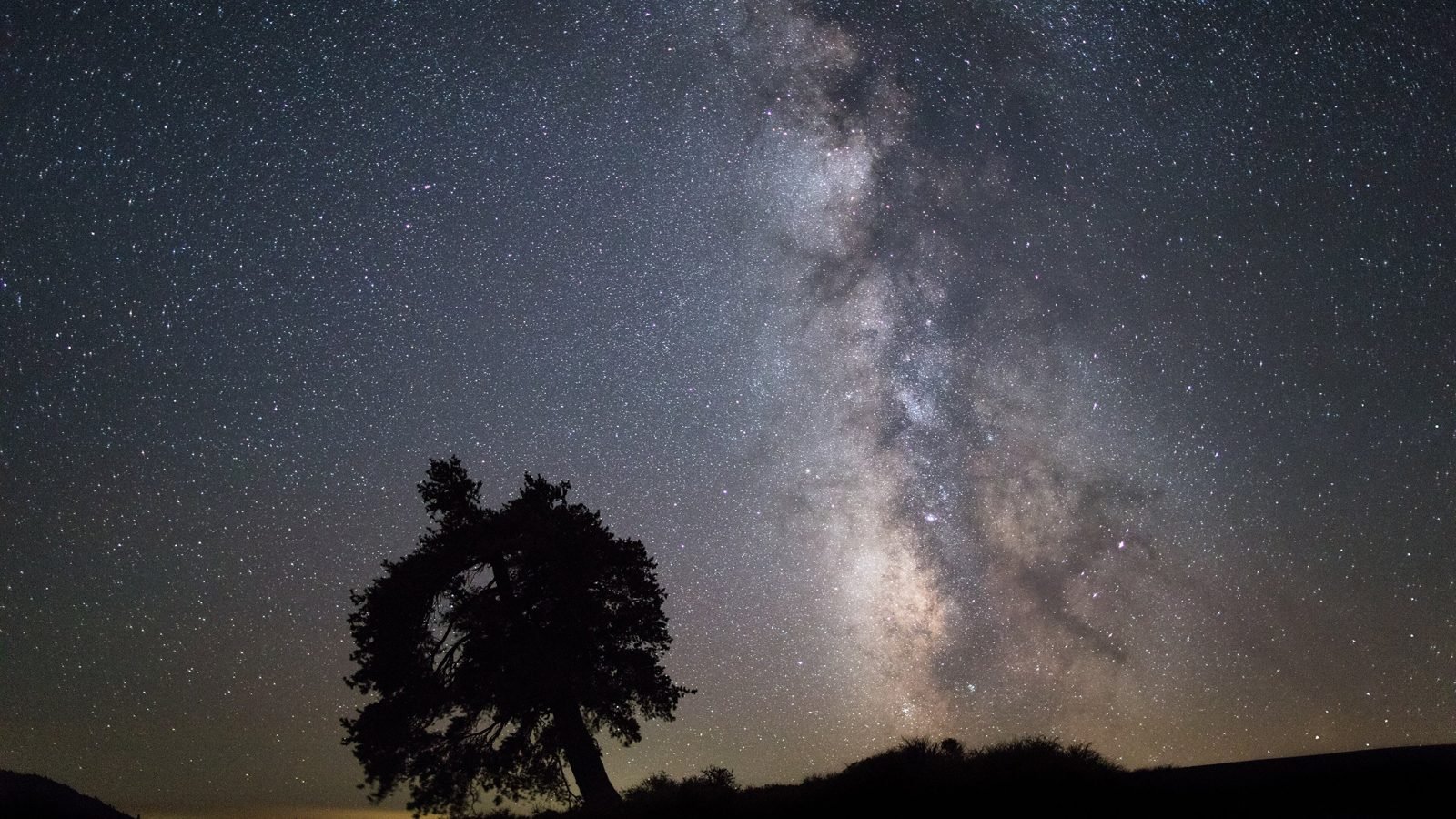
- It also funds classroom lesson plans, a postdoctoral researcher and an astronomer-in-residence who will spend a few weeks each year in the Central Idaho Dark Sky Reserve giving talks and leading stargazing events.
Boise State University says a new five-year, $3.5 million grant from NASA's Science Activation program will bring astronomy research and education to classrooms across Idaho. A team led by Boise State physics professor Brian Jackson will use the money to provide teaching resources to Idaho teachers, including 150 new robotic telescopes, according to a Boise State news release published Wednesday afternoon, Nov. 11.
Boise State already runs a NASA-backed teacher telescope program through its Central Idaho Dark Sky Reserve STEM Network, and the new grant expands it. Boise State says the work is supported by NASA's Science Activation program under award number 4015387.
Telescopes for Idaho teachers
The 150 telescopes are meant for Idaho teachers, especially those working in rural parts of the state, where there is less light pollution, the university said. The new grant builds on a smaller effort: in 2023, Boise State's Department of Physics and Astronomy distributed 50 telescopes to Idaho teachers. The program's Telescopes for Teachers page says participating schools receive a long-term loan of a Unistellar eQuinox 2 robotic telescope, and that the first telescopes went out across the state by September 2024.
"The kids really like it. They like what they're learning, too," Chandler Beasley, an astronomy educator who graduated from Boise State's physics program in 2026, said in the release. "Once we pull up a nebula or a galaxy, they kind of lose their minds."
Classrooms doing real research
The telescopes double as research instruments. Boise State says a grant-funded postdoctoral researcher will coordinate the science, and the 150 new telescopes will be used to discover and monitor small objects close to home, such as asteroids, comets and dwarf planets, along with exoplanets orbiting other stars. One research paper from the 2023 telescope rollout is under review, the university said.
Teachers will act as citizen scientists, gathering data under Idaho's dark skies, while Boise State students and faculty develop lesson plans that build that research into the classroom. "Citizen or participatory science projects supported by NASA give students and amateur researchers an opportunity to contribute to active research projects," Jackson said in the release. He said those projects range from helping find planets around distant stars to mapping clouds on Mars, which leaves plenty of room to connect them to Idaho's required science curriculum.
An astronomer-in-residence in the dark sky reserve
The grant also supports an astronomer-in-residence who will live in the Central Idaho Dark Sky Reserve for a few weeks each year, much like an artist-in-residence. That person will give public talks, lead stargazing events and help measure light pollution in the reserve, Boise State said. Public events and classroom visits from the university's AstroTAC student outreach team, along with its First Friday Astronomy talks, will continue to promote awareness of light pollution.
"Light pollution is one of the easiest forms of pollution to deal with," Jackson said. "You flick the light switch, and it's gone."
For teachers and families
Boise State's Telescopes for Teachers page invites any Idaho public educator, in the classroom or otherwise, to fill out an interest form, and says the program will follow up. The university has not announced when the 150 new telescopes will be distributed. The Central Idaho Dark Sky Reserve STEM Network site also lists public outreach events and the Astro Adventures Camp for students.